Full Thermal Scan
We sweep every accessible room, wall, and ceiling with a FLIR thermal imaging camera, plus the crawl space hatch and attic access if you have them. A typical 1,500 square foot home takes 60 to 90 minutes.
Moisture Mapping and Thermal Imaging Ocean Springs MS uses infrared cameras and pin-type meters to find water you cannot see, behind drywall, under hardwood, and inside crawl spaces. If your floor feels cold in one spot or your baseboards are swelling, we scan the whole room in minutes and show you exactly where the moisture is. We serve homeowners across Jackson County with same-day appointments.

Moisture Mapping and Thermal Imaging Ocean Springs MS is a diagnostic service that uses infrared cameras and calibrated moisture meters to locate water inside walls, floors, and ceilings without tearing your house apart. A FLIR thermal imaging camera reads surface temperature differences; wet materials run cooler than dry ones, so the camera shows us the wet footprint as a dark shape on screen. We then confirm every reading with a pin-type moisture meter or a non-invasive meter before we mark anything on the map.
Ocean Springs homes deal with water constantly. Summer humidity sits above 80 percent for weeks, storm surge pushes water into slab-on-grade houses near Front Beach, and a slow supply line leak under a kitchen sink can soak a cabinet for a month before you smell it. That is why thermal imaging and moisture detection Ocean Springs homeowners call for usually starts with a musty smell or a spike in the water bill, not a visible puddle. We map the moisture, tell you how far it spread, and give you a written scope you can hand to your insurance adjuster.
A standard visit covers the full diagnostic scan, meter confirmation, and a written moisture map with photos. If we find water, we can start extraction or drying the same day, and that work is scoped separately based on how far the moisture spread.
We sweep every accessible room, wall, and ceiling with a FLIR thermal imaging camera, plus the crawl space hatch and attic access if you have them. A typical 1,500 square foot home takes 60 to 90 minutes.
Every thermal anomaly gets checked with a pin-type or non-invasive moisture meter. We record the percentage reading and compare it against a dry reference point in the same room so the numbers mean something.
You get a marked floor plan showing where the moisture is, how high the readings run, and how far the wet zone extends. This is the document your insurance adjuster and your contractor both need.
We photograph the thermal images and the meter readings on site. You get the full set by email the same day, organized by room, ready to attach to a claim.
Before we leave, we walk you through what we found and what it means. If drying or repair is needed, we explain the scope and give you a price on the spot.
A moisture map is useless if you do not know where the water is coming from. We trace the wet zone back to the likely source, whether that is a supply line, a roof penetration, a foundation crack, or a failed appliance fitting.
We ask what you are seeing, smelling, or hearing, plus the age of the home and whether the water is city supply or storm related. That tells us what gear to load. You get a two-hour arrival window, and we call 30 minutes out.
Before any electronics come out, we walk the space. We look for swollen baseboards, cupped hardwood, stained ceiling drywall, and rust on the water heater fittings. This takes 10 to 15 minutes and usually tells us where to point the camera first.
We sweep each room with a FLIR thermal imaging camera and an infrared thermometer, watching for cold bands that signal evaporating moisture. We check around every plumbing fixture, under windows, along exterior walls, and inside the crawl space hatch.
Thermal images show us where to look, but they do not give a moisture percentage. We confirm each hot spot with a pin-type moisture meter or a non-invasive meter, then compare readings against a dry reference point in the same room. Anything above 16 percent on wood gets flagged.
We sketch the affected area, mark the readings, and photograph everything. Then we explain what we found, how far it spread, and what drying or repair looks like. You get the map and photos by email the same day.
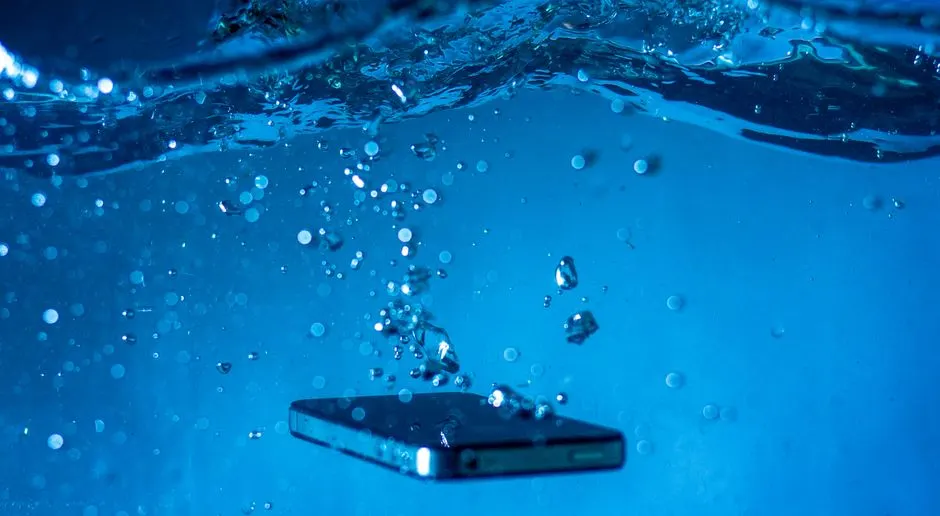
We ask what you are seeing, smelling, or hearing, plus the age of the home and whether the water is city supply or storm related. That tells us what gear to load. You get a two-hour arrival window, and we call 30 minutes out.
Reads surface temperature differences to reveal wet zones behind drywall, under flooring, and inside ceilings without any demolition. This is the primary scanning tool on every call.
Confirms the exact moisture percentage in wood, drywall, and framing. We use it to verify every thermal anomaly and to track drying progress day over day.
Reads moisture through tile, finished hardwood, and other surfaces where we cannot push pins. Useful for scanning large floor areas quickly before switching to pin readings.
Spot-checks surface temperatures at specific points, like around a supply line or under a window sill, to confirm what the thermal camera is showing.
Slides behind drywall or into a wall cavity to visually confirm mold growth, standing water, or damaged framing once the thermal scan points us to the right spot.
Placed in wall cavities and under flooring during the drying phase to log moisture readings over time. They tell us when the structure has actually reached dry standard.
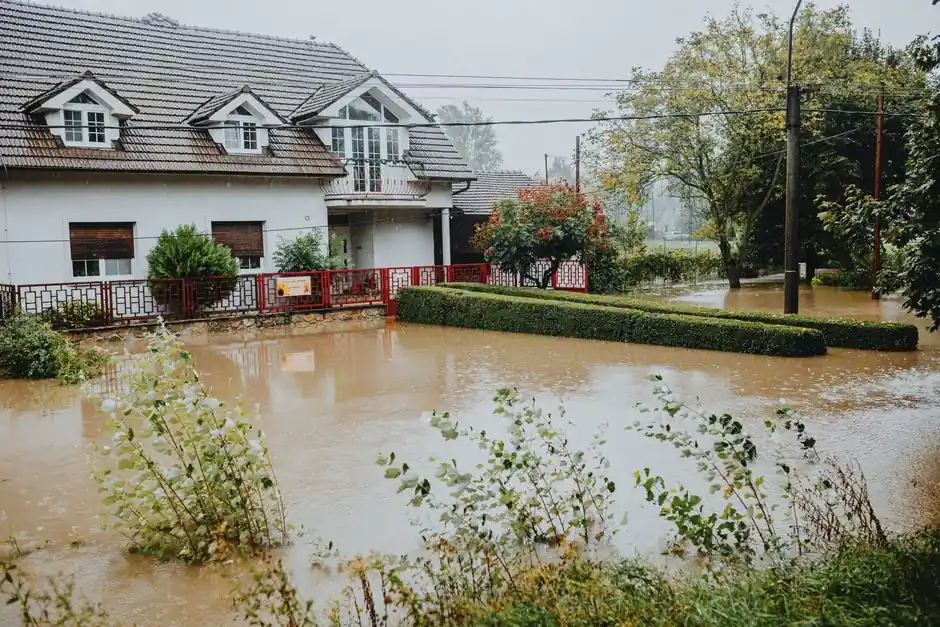
A homeowner noticed a musty smell in the hallway and a soft spot in the carpet outside the bathroom door. No visible water, no stain on the ceiling below. The smell had been building for about three weeks.
After: Thermal scan showed a cold band running from the shower valve down through the wall cavity and into the hallway floor. Meter readings hit 28 percent on the baseboard and 22 percent on the subfloor. We opened a two-foot section, repaired the valve, and dried the cavity in three days.
Book this service →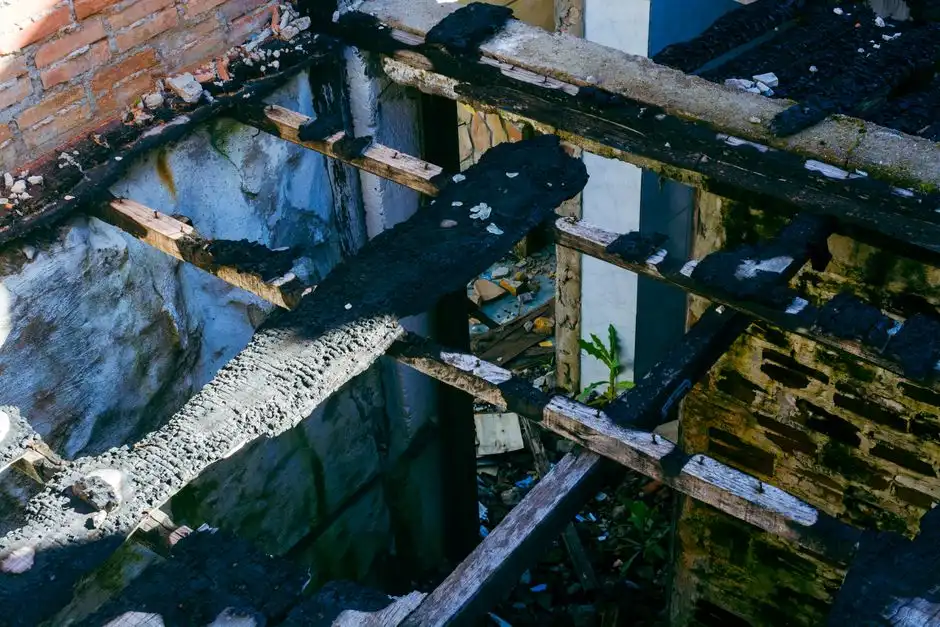
A rental property owner got a water bill that jumped from $60 to $210 in one month. No visible leak inside the unit, no wet spots on the floor. The tenant had not reported anything unusual.
After: Thermal imaging picked up a warm trail along the hot water supply line under the slab. Meter readings confirmed moisture in the carpet pad along a six-foot stretch. We isolated the line, the plumber repaired it, and we dried the affected area in two days with air movers and a dehumidifier.
Book this service →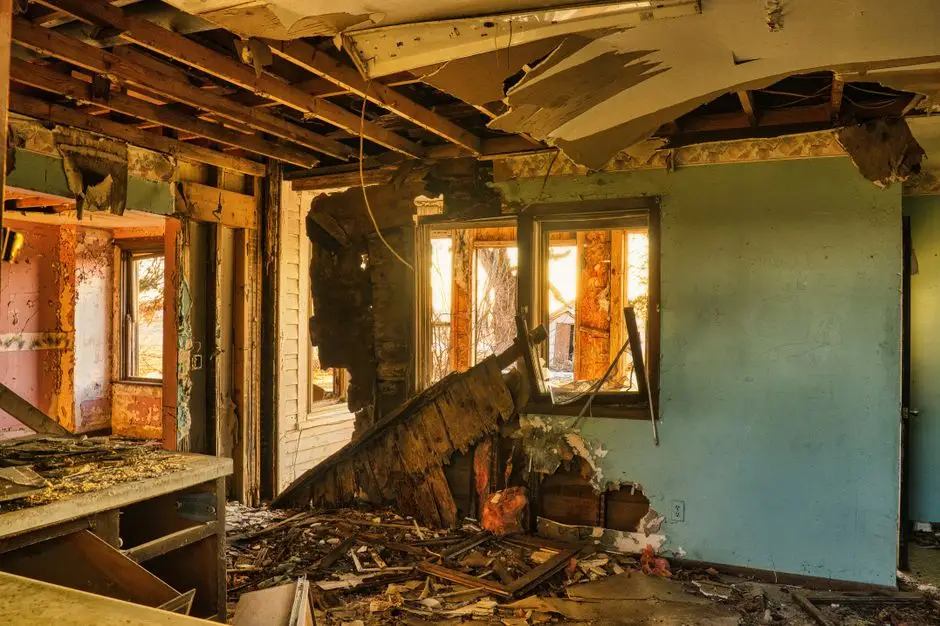
After a named storm, a homeowner had a brown stain spreading across the living room ceiling. They assumed the whole ceiling would need to come down and were ready to file a major claim.
After: We scanned the ceiling and the attic above it. The wet zone was limited to a four-foot by six-foot area around a roof vent boot that had failed. Insulation in that section was wet, but the joists tested dry. We replaced the boot, removed the wet insulation, and dried the drywall in place.
Book this service →Most of the calls we get start with a symptom, not a visible leak. Here are the problems a thermal imaging and moisture detection in Ocean Springs scan catches before they get expensive.
Ask a pro →We scan the whole room, find the cold band, and meter it to confirm. Once we know where the moisture is, we can dry it and stop the mold before it colonizes the framing.
Thermal imaging picks up the wet trail along the pipe run. We map it, confirm with meters, and pinpoint the section that needs repair so the plumber opens one spot, not the whole floor.
We meter the boards and the subfloor, map the wet zone, and identify whether the water is from a leak, a crawl space, or humidity. Then we dry the floor properly before any refinishing happens.
We scan the ceiling and the attic above it, map the full wet footprint, and tell you whether a patch repair is enough or whether the insulation needs to come out.
$150 - $450 for most residential scans
Typical 2026 pricing for a residential moisture mapping and thermal imaging scan in Ocean Springs runs $150 to $450, depending on square footage, how many rooms need mapping, and whether a crawl space or attic inspection is included. Commercial scans are quoted per square foot. If we find water and you hire us for the dry-out, we credit the inspection fee toward the job. We give you the price before we start, and there are no add-ons for photos or the written report.
One scan can save you thousands by catching a leak before it ruins a floor or grows mold. The map also gives your insurance adjuster the documentation needed to approve the claim on the first pass, which is worth more than the scan itself.
A single room scan takes about 30 minutes; a full 2,500 square foot home with a crawl space can take two hours. More area means more meter readings and a longer report.
Get a quote ↗If you have one musty room, we focus there. If you have three separate concerns across the house, we map each one and the report reflects all of them.
Get a quote ↗Under-floor and attic scans add time and require different gear. Crawl space work in particular takes longer because of access and safety setup.
Get a quote ↗A 2 a.m. call for a burst pipe carries a higher rate than a scheduled weekday appointment. We tell you the number on the phone before we dispatch.
Get a quote ↗“We had a musty smell in the hallway for weeks and could not figure out where it was coming from. The technician scanned the whole wall with the thermal camera and found a slow leak from the shower valve behind the tile. He metered it, showed me the reading on screen, and had the wall open the same afternoon. No guesswork, no tearing out the whole bathroom.”
Marcus T.Homeowner, Gulf Hills
✓ Verified“After the last storm we had water coming in around a window and I was sure the whole wall was soaked. They mapped it and found the moisture was only in a two-foot band near the sill. Dried it out in three days and saved me from replacing drywall across the entire room. The photo report went straight to my insurance company.”
Denise R.Homeowner, East Beach
✓ Verified“I manage six rentals and use these guys for every water call now. They scan the unit, send me the moisture map with readings, and tell me whether it is a dry-out or just a repair. Last month they caught a slab leak in a duplex before the tenant even noticed a problem. That one scan saved me a flooring replacement.”
Ray P.Property Manager, Fort Bayou
✓ VerifiedMost residential scans run $150 to $450 in 2026, depending on square footage and how many rooms need mapping. A single bathroom or laundry room sits at the low end; a full-house scan with a crawl space inspection lands higher. If we find water and you hire us for the dry-out, we credit the inspection fee toward the job.
Wet materials evaporate, and evaporation cools the surface. An infrared camera reads that temperature difference and shows wet zones as cooler bands against dry surroundings. We then confirm every reading with a pin-type moisture meter, because a cold spot can also be an air leak or missing insulation. Two tools, one answer.
Yes, if the leak ran behind a wall, under a floor, or into a cabinet for more than a few hours. Water wicks through drywall, carpet padding, and plywood subfloor well past the visible wet spot. A scan takes about an hour and tells you whether you need drying or just a fan and a dehumidifier.
The camera finds the moisture that feeds mold, not the mold itself. That is actually more useful, because mold needs water to grow. Once we map the wet zone, we can test the area with a bore scope or air sample and confirm whether growth has started. Catching the moisture first usually means you never get mold at all.
If you smell something musty or your water bill jumped, do not wait for the stain to show up on the ceiling. Call (228) 279-0515 and we will scan your home, show you the readings, and tell you straight what needs to happen next. Same-day appointments available across Jackson County.
Schedule a Scan (228) 279-0515 →Call us at (228) 279-0515 any time, day or night. We answer live and dispatch immediately for emergency water damage. For non-emergency questions or to schedule an inspection, email us or stop by our office in Ocean Springs. We serve all of Jackson County.